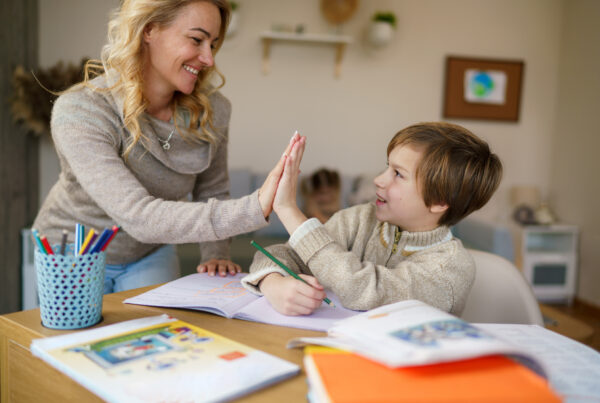


Key Takeaways
- Middle school is a key time for building classroom confidence for middle school learners through small wins and consistent support.
- Every child can develop confidence with the right mix of encouragement, structure, and skill-building.
- Parents play a crucial role in shaping classroom confidence by fostering self-belief and resilience at home.
- Practical strategies like preparing for participation and reflecting on progress help boost confidence in class.
Audience Spotlight: Confidence & Habits in Middle School
Middle school often marks a turning point in your child’s academic journey. At this stage, students begin to compare themselves to peers more closely, and this can affect how secure they feel in class. For many parents focused on confidence and habits, the challenge is helping your child believe in their ability to succeed even when facing setbacks. Building classroom confidence for middle school learners is not about turning your child into the loudest student in the room. It is about helping them feel capable, valued, and ready to engage, one step at a time.
What does confidence in the classroom look like?
Confidence in the classroom is not just about raising a hand or answering questions. For middle schoolers, it can show up in many ways: starting a group project without hesitation, asking the teacher for clarification, or showing persistence with a difficult math problem. These behaviors signal that your child feels safe to try, even when unsure of the outcome.
Experts in child development note that confidence grows when children feel a sense of progress and are recognized for their efforts, not just results. When students trust their ability to learn and recover from mistakes, they are more likely to stay engaged and motivated in class.
Why is building classroom confidence for middle school learners so important?
Middle schoolers are navigating a wide mix of academic and social changes. They are learning to organize assignments, manage growing workloads, and handle more complex subjects. At the same time, they are becoming more aware of peer opinions and may start to doubt their abilities. Without support, this can lead to withdrawal, anxiety, or avoidance of participation.
Many teachers and parents report that students with low classroom confidence may hesitate to ask questions, even when they need help. This can lead to falling behind, which further damages self-belief. On the other hand, confident learners are more resilient. They are willing to try, fail, and try again. That mindset lays the foundation for lifelong learning.
How can I help my child feel more confident in class?
As a parent, your role in building classroom confidence for middle school learners is powerful. Here are practical ways to support your child at home and in communication with their teachers:
- Normalize setbacks: Talk about times when you tried something new and struggled before improving. This helps your child see learning as a process.
- Practice responses at home: If your child avoids speaking in class, practice simple scripts together. For example, “I need help with this step” or “Can you please repeat that?” can be rehearsed in a safe space.
- Celebrate effort, not just achievement: Praise the courage to ask a question or work through a hard assignment, even if the outcome is not perfect.
- Break down overwhelming tasks: Confidence grows when your child can succeed at manageable challenges. Helping them plan assignments in steps builds a sense of control and readiness.
- Connect with teachers: A quick email to your child’s teacher about their hesitations can open the door to classroom strategies that encourage participation without pressure.
Confidence building habits for grades 6–8 learners
Students in grades 6–8 are at a stage where they are developing a sense of identity. Habits that support confidence can help them not only academically but socially and emotionally as well. Here are habits worth building:
- Self-reflection: Encourage your child to journal or talk about what went well each day. This builds awareness of progress and patterns in learning.
- Goal setting: Help your child choose small, specific classroom goals like “ask one question in science this week” or “complete homework before dinner three days in a row.”
- Preparation rituals: Create a consistent morning routine that includes reviewing materials or mentally rehearsing what to expect in class.
- Positive self-talk: Teach your child to replace thoughts like “I’m bad at this” with “I’m still learning this.” Language shapes mindset.
For more ideas on habits that build confidence, visit our confidence-building resource page.
What if my child is too afraid to participate in class?
It is common for middle schoolers to fear embarrassment or judgment in front of peers. If your child is silent in class, start by understanding the root of their fear. Are they worried about being wrong? Do they feel rushed or unprepared?
Once you know more, you can take small steps. For example, write out possible answers together and have your child practice saying them aloud. Ask your child’s teacher if participation can be done in writing first, or if your child can check in privately before speaking in a group. Small wins over time help boost confidence in class, especially when paired with consistent encouragement at home.
Definitions
Classroom confidence: A student’s belief in their ability to participate, learn, and succeed in a class environment, even when challenges arise.
Self-advocacy: The ability to recognize one’s needs and communicate them effectively, such as asking for help or clarification from a teacher.
Tutoring Support
If your child continues to struggle with classroom confidence, you are not alone. K12 Tutoring offers personalized support designed to meet your child where they are. Our tutors focus not only on academics but also on the habits and mindset that help learners grow. Together, we can help your child build the confidence they need to succeed in and beyond the classroom.
Related Resources
- The Importance of Celebrating Milestones in Your Child’s Life – Collab for Children
- Milestones Matter: Your Child’s Growth & Development by Age 5 – HealthyChildren.org
- Development of Skills, Habits, and Mindsets – K-12 Design Principles
Trust & Transparency Statement
Last reviewed: November 2025
This article was prepared by the K12 Tutoring education team, dedicated to helping students succeed with personalized learning support and expert guidance. K12 Tutoring content is reviewed periodically by education specialists to reflect current best practices and family feedback. Have ideas or success stories to share? Email us at [email protected].