

Key Takeaways
- Building self assurance for homeschool learners starts with recognizing emotional barriers and normalizing self-doubt.
- Daily routines, positive feedback, and peer interaction play a big role in developing confidence.
- Parents can actively support self-esteem by modeling resilience and celebrating effort over perfection.
- Practical tools like goal-setting, journaling, and executive function strategies can help learners feel more capable.
Audience Spotlight: Confidence & Habits in the Homeschool Setting
For parents focused on building healthy confidence and habits, homeschooling offers both unique opportunities and challenges. Without the traditional classroom structure, your child might thrive with flexibility but also face uncertainties about their abilities. Many homeschool parents find that even high-achieving children ask, “Am I doing enough?” or worry they’re not learning the “right” way. Supporting confidence and daily routines can make a big difference, especially when children need to believe in their own progress.
Understanding Emotional Barriers to Self-Assurance
Building self assurance for homeschool learners often begins by identifying emotional blocks that get in the way. For instance, if your child hesitates to start writing assignments because they feel their ideas aren’t good enough, there’s likely a deeper confidence issue at play. Homeschoolers may not receive the same day-to-day encouragement or validation from peers as students in traditional classrooms. This can lead to second-guessing themselves or quietly feeling “behind.”
Experts in child development note that consistent feedback and peer modeling are vital in early confidence building. Without these, homeschool learners may internalize mistakes as personal failures rather than normal parts of learning. Many teachers and parents report that homeschoolers benefit greatly from structured reflection time and small wins that reinforce progress.
Confidence in the Classroom: What It Looks Like at Home
Confidence in the classroom doesn’t disappear just because the classroom is your kitchen table. For homeschool students, classroom confidence shows up as asking questions without fear, sticking with hard tasks, and trusting their own judgment. If your child avoids math problems they used to enjoy or hesitates to participate in co-op discussions, it may be time to focus on boosting their belief in their abilities.
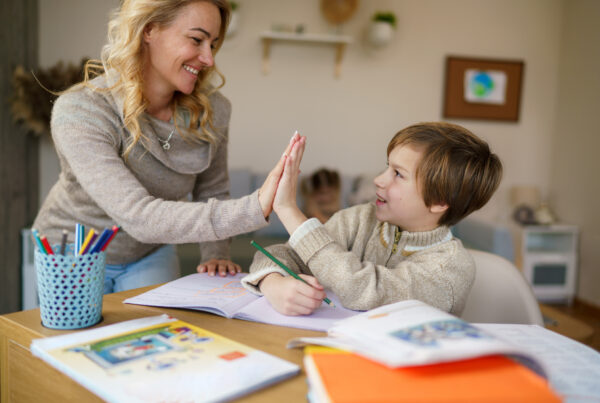
Building self assurance for homeschool learners can include small but impactful adjustments. Try providing a clear daily schedule with achievable goals. Celebrate effort, not just results. Replace “Did you finish it perfectly?” with “What did you learn while working on this?” This mindset helps learners see themselves as capable, not just correct.
How Can I Help My Child Feel More Capable at Home?
One of the most common questions homeschool parents ask is, “How can I help my child feel more capable on their own?” The answer often lies in routines, feedback, and modeling.
- Use visual trackers: Progress charts or sticker systems can show growth over time, especially for younger learners.
- Set micro-goals: Break assignments into steps and celebrate completing each one. For example, finishing a reading chapter or solving five problems can be a goal.
- Model self-talk: Let your child hear you say, “This is tricky, but I can figure it out.” Children often adopt the tone and words adults use around them.
- Invite peer connection: Whether through a virtual study group or a homeschool co-op, being around other learners helps your child normalize challenges and successes.
Most importantly, remind your child that confidence is built through practice, not perfection. Reinforce that it’s okay to find things difficult and that persistence is a form of strength.
Grade Band Snapshot: Confidence Growth for K-12 Homeschoolers
While the strategies for building self assurance for homeschool learners apply across ages, each grade band has distinct emotional and developmental needs. Here’s what to expect and how to adapt:
- K-2: Younger children need immediate encouragement and simple praise. Use games and repetition to build mastery and joy.
- Grades 3-5: Students begin comparing themselves to peers. Focus on effort-based praise and let them track their own progress through journals or charts.
- Grades 6-8: Middle schoolers often face self-doubt. Encourage them to reflect on past improvements and guide them in setting realistic personal goals.
- Grades 9-12: High schoolers may worry about future readiness. Help them connect current learning to long-term goals and encourage self-advocacy through independent projects or leadership roles.
Across all ages, regular check-ins where your child can share both struggles and wins help nurture a secure learning environment.
Simple Habits That Boost Confidence in Homeschool Students
Confidence grows from consistent, supportive practice. Here are a few daily habits that can make a real difference:
- Morning mindset moments: Start the day with a positive affirmation or reflection question. Ask, “What do you feel proud of from yesterday?”
- Reflective journaling: Encourage your child to write short entries about what they learned or felt good about each day.
- Accountability check-ins: Weekly reviews help your child see their progress and adjust goals, especially if you tie them to personal milestones.
- Celebrate small wins: Whether it’s completing a tough lesson or asking a thoughtful question, make it a moment worth noting.
These habits help reinforce that growth is measurable, and that your child is in charge of their own learning journey.
For more ideas, explore our confidence-building resources.
Definitions
Self-assurance: A sense of confidence in one’s own abilities and decisions, often developed through positive experiences and support.
Emotional barrier: A mental or emotional block that prevents a learner from engaging fully or believing in their capabilities.
Tutoring Support
At K12 Tutoring, we understand that homeschool families sometimes need extra support to help their children feel confident and capable. Our tutors work with you and your child to build strong habits, boost self-esteem, and create a positive learning environment. Whether your child needs help with academic skills or emotional resilience, we’re here to partner with you.
Related Resources
- Growth Mindset: K-12 Leaders Cultivate Continuous Improvement
- Teaching Students K-2 How to Reflect – Edutopia
- How High School Students Can Set and Accomplish Goals
Trust & Transparency Statement
Last reviewed: November 2025
This article was prepared by the K12 Tutoring education team, dedicated to helping students succeed with personalized learning support and expert guidance. K12 Tutoring content is reviewed periodically by education specialists to reflect current best practices and family feedback. Have ideas or success stories to share? Email us at [email protected].