

Key Takeaways
- Home-based tutoring can nurture lifelong confidence and independence in your child.
- Focusing on soft skills like resilience and self-motivation supports academic and personal growth.
- Even small tutoring moments at home can build habits that lead to long-term student success.
- Parents play a powerful role in building personal growth through tutoring at home.
Audience Spotlight: Confidence & Habits
For parents focused on Confidence & Habits, the journey often begins with a simple question: “How can I help my child believe in themselves and stay motivated?” Many parents see their children struggle with self-doubt, especially when learning gets tough. Whether your child is shy about speaking up, hesitant to try new tasks, or avoids challenges out of fear of failure, these are normal experiences. Building personal growth through tutoring at home gives you the tools and time to nurture emotional strength, strong habits, and a growth mindset—all at your child’s pace. These small, consistent supports can shift how your child sees themselves as a learner and as a person.
Definitions
Personal growth refers to the development of emotional resilience, self-awareness, motivation, and the ability to learn from challenges.
Confidence-building habits are daily actions and routines that strengthen a child’s belief in their abilities and help them manage setbacks with a positive mindset.
Why building personal growth through tutoring at home matters
Many parents notice their children becoming discouraged when schoolwork feels overwhelming. Whether your child is homeschooled full time or learning in a hybrid format, building personal growth through tutoring at home can make a lasting impact. This approach does more than target academic skills. It helps children develop the emotional and behavioral tools they need to stay motivated, bounce back from frustration, and take ownership of their learning.
Experts in child development note that personal growth often begins when children feel safe to take risks, make mistakes, and try again. Home tutoring creates a familiar and supportive space for this kind of learning. By focusing on soft skills such as time management, perseverance, and self-advocacy, parents can help children develop habits that serve them well in school and beyond.
Daily tutoring habits that foster confidence and resilience
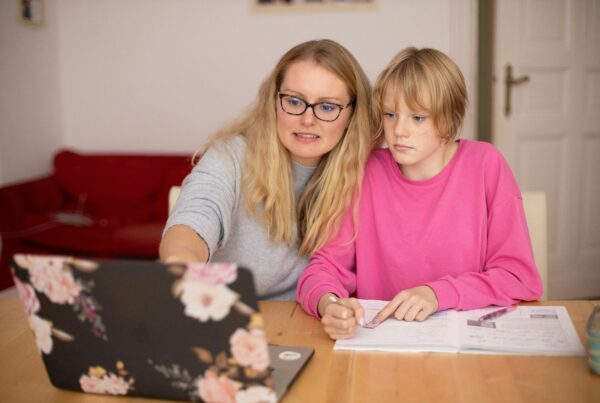
Parents play a unique role in shaping their child’s learning environment. You don’t need to be a certified teacher to guide your child toward personal growth. Start with small, daily tutoring practices that focus on more than just right answers.
- Set goals together: Invite your child to help set a learning goal for the week, such as completing a project or improving their reading fluency. This builds agency and ownership.
- Celebrate effort, not just outcomes: Praise moments when your child shows persistence or tries a new strategy, even if the answer is incorrect. This reinforces a growth mindset.
- Use reflection breaks: After a tutoring session, ask your child, “What felt hard today? What did you do that helped?” This helps build self-awareness and emotional regulation.
- Keep routines steady: Consistent tutoring times and familiar structure help children feel secure and focused, especially those who struggle with executive function.
These simple strategies help your child internalize the message that learning is a process, not a performance. Over time, this supports both academic gains and emotional maturity.
How tutoring to support student growth looks at different grade levels
Building personal growth through tutoring at home looks different depending on your child’s age. Here are a few examples across grade bands:
Elementary (K–5):
At this stage, children are developing foundational skills and need lots of encouragement. Tutoring might involve reading aloud together and asking questions that prompt your child to think aloud. When your child solves a math problem, praise their strategy, not just the answer. Encourage journaling or drawing to reflect on challenges and victories.
Middle School (6–8):
As children become more independent, tutoring can shift toward helping them organize tasks and manage time. Introduce tools like checklists or planners. If your child struggles with motivation, tutoring sessions can include short discussions about how their effort connects to long-term goals. This is also a good time to teach self-advocacy skills.
High School (9–12):
Older learners benefit from tutoring that supports emotional awareness and college or career readiness. Help them identify personal learning styles and reflect on what motivates them. Include real-world applications of academic content and encourage them to take the lead in setting goals. Coaching them through setbacks teaches resilience and accountability.
In each stage, the goal remains the same: support your child’s belief in their ability to grow through effort and reflection.
What if my child resists tutoring at home?
It’s common for children to resist learning activities at home, especially if they associate them with pressure or frustration. Try reframing tutoring as a time to explore and grow together, not just complete assignments. You might say, “Let’s try something new today” or “What do you want to get better at this week?”
Many teachers and parents report that when children feel heard and involved in their own learning, resistance tends to decrease. Offer choices within structure, such as letting your child pick the order of tasks or choose a comfortable workspace. Keep sessions short and end on a positive note. Over time, consistency and empathy help build trust and engagement.
Connecting confidence-building with academic success
While test scores and grades matter, they only tell part of your child’s learning story. Confidence, resilience, and strong habits are often what sustain long-term success. Tutoring to support student growth means making space for these qualities to flourish.
If your child often says, “I can’t do this” or avoids challenges, focus your tutoring time on helping them reframe those thoughts. Try saying, “This is hard right now, but you’re learning” or “I saw how you kept going even when it was tricky.” These affirmations slowly reshape how your child sees themselves as a learner.
You can also explore our resources on Confidence Building for more ideas and tools.
Tutoring Support
At K12 Tutoring, we believe that every child has the potential to grow in confidence, resilience, and capability. Building personal growth through tutoring at home is a journey we are proud to support. Our resources and expert-backed strategies are designed to meet your family where you are and help you move forward, one step at a time.
Related Resources
- The Parent’s Guide to Helping Your Child Develop Social Skills – GreatSchools.org
- 8 Confidence-Boosting Habits for Kids (& the Adults Raising Them) – Synthesis
- How Parents Can Encourage Strong Study Habits – Hartstein Psychological Services
Trust & Transparency Statement
Last reviewed: November 2025
This article was prepared by the K12 Tutoring education team, dedicated to helping students succeed with personalized learning support and expert guidance. K12 Tutoring content is reviewed periodically by education specialists to reflect current best practices and family feedback. Have ideas or success stories to share? Email us at [email protected].