

Key Takeaways
- Identify and avoid common pitfalls when homeschooling struggling learners by building realistic routines and goals.
- Emotional well-being is as important as academic progress. Address your child’s frustration and self-esteem early.
- Homeschooling setbacks are normal. Support, structure, and flexibility can make a big difference.
- You don’t have to go it alone. Tap into resources, communities, and tutoring support tailored for struggling learners.
Audience Spotlight: Understanding Struggling Learners
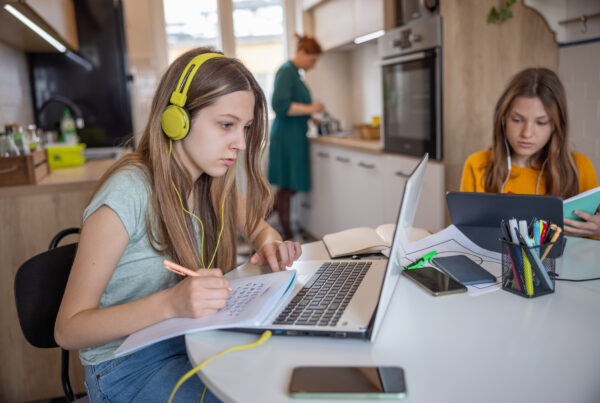
When your child is struggling to learn, every school day can feel like a mountain to climb. For parents of struggling learners, homeschooling may seem like the perfect opportunity to slow down, personalize lessons, and restore confidence. But many families discover that this path comes with unique challenges. Struggles with focus, motivation, or emotional resilience often follow children into the homeschool environment. Recognizing the common pitfalls when homeschooling struggling learners can help you create a more supportive, effective experience for your child.
Emotional impact of struggling: What parents often overlook
Many parents begin homeschooling with the best intentions, hoping to remove the pressure and comparison of traditional classrooms. But when children continue to face academic challenges at home, it can trigger frustration, self-doubt, and emotional shutdowns. The emotional toll of ongoing struggle is one of the most underestimated homeschool challenges for struggling students.
Experts in child development note that when children repeatedly encounter failure, they may start to believe they are not capable of learning. This mindset can lead to avoidance behaviors, resistance to instruction, and low self-esteem. It’s important to validate your child’s feelings and separate their self-worth from their academic progress.
For example, if your middle schooler melts down during math, it may not be just about the numbers. They might be carrying a history of embarrassment or anxiety from past experiences. A reset might involve taking a break, revisiting a concept with a hands-on activity, or simply saying, “I see how hard you’re trying. Let’s figure this out together.”
Common pitfalls when homeschooling struggling learners
Understanding the common pitfalls when homeschooling struggling learners can help you prevent unnecessary stress—for both you and your child. Here are some frequent missteps and how to avoid them:
- Expecting a traditional school pace: One of the biggest traps is trying to replicate the pace and structure of a traditional classroom. Struggling learners often need more time to process and revisit concepts. Give yourself permission to slow down.
- Over-scheduling or under-structuring: Too many lessons in one day can overwhelm a child, while too little structure can lead to disorganization and unfinished work. Find a balance with clear routines and flexible breaks.
- Focusing solely on academics: Emotional regulation, confidence, and executive function skills are just as important. Incorporating lessons that strengthen these areas can improve academic readiness. Consider exploring our executive function resources.
- Neglecting your child’s learning style: Some children thrive with visuals, others with movement or storytelling. Sticking to one teaching method may limit understanding. Be willing to experiment and adapt.
- Working in isolation: Homeschooling can feel isolating, especially when challenges arise. Connecting with other parents or educational professionals can provide new strategies and emotional support.
How does this look across grade levels?
Elementary (K-5): Building confidence early
At this stage, struggling learners may be just beginning to notice they are “behind.” Be mindful of how you talk about progress. Celebrate effort over outcomes. Use play-based learning, read aloud together, and incorporate movement into lessons. Avoid comparing your child to siblings or peers.
Middle School (6-8): Managing emotions and independence
Middle schoolers often crave independence but still need strong emotional support. When a struggling learner feels behind, they might withdraw or lash out. Help them set realistic goals and celebrate small wins. Teach them how to identify their own stress signals and ask for help. Our self-advocacy tools can be a great addition at this stage.
High School (9-12): Planning with purpose
Struggling learners in high school face increased academic pressure and looming transitions. It’s easy to get caught in a cycle of catch-up and burnout. Focus on practical skills like time management, note-taking, and test anxiety strategies. Be open to alternative pacing, modified goals, and outside support like tutoring or community classes. Encourage your teen to take ownership of their learning plan while knowing you’re there to guide them.
What should I do when homeschooling feels overwhelming?
It’s completely normal to feel uncertain or discouraged, especially when your child is struggling. Homeschooling isn’t supposed to be perfect. Many teachers and parents report that progress with struggling learners often comes in waves, not straight lines.
If you’re hitting a wall, consider these steps:
- Take a short break and observe what’s working and what’s not.
- Ask your child how they feel about their learning and what they wish could change.
- Review your homeschool goals. Are they realistic and aligned with your child’s pace?
- Reach out to a tutor, therapist, or support group for ideas and reassurance.
Most importantly, know that your presence and persistence matter more than any perfect lesson plan. Your child benefits from being seen, heard, and supported, even on the hard days.
Definitions
Struggling learners: Students who face consistent challenges in academic areas such as reading, writing, math, or focus, often due to learning differences, processing issues, or emotional barriers.
Executive function: Mental skills that help with managing time, staying organized, focusing attention, remembering instructions, and controlling impulses.
Tutoring Support
If homeschooling your struggling learner feels like a constant uphill climb, you’re not alone. K12 Tutoring offers personalized sessions that meet your child where they are and build strategies that work for them. Whether it’s reading fluency, math confidence, or emotional resilience, our tutors are trained to support diverse learning needs with empathy and expertise.
Related Resources
- “A Parent’s Guide to a Struggling Teen” – Axis.org
- Self-Esteem and Reading Difficulties – Reading Rockets
- The Emotional Impact of Learning Difficulties: Supporting Your Child’s Wellbeing – Learning & Literacy Clinic (Australia)
Trust & Transparency Statement
Last reviewed: November 2025
This article was prepared by the K12 Tutoring education team, dedicated to helping students succeed with personalized learning support and expert guidance. K12 Tutoring content is reviewed periodically by education specialists to reflect current best practices and family feedback. Have ideas or success stories to share? Email us at [email protected].